The Generation That Ran Toward It
Twenty-five years on, how history remembers the 9/11 generation may depend entirely on whether we bother to teach them.
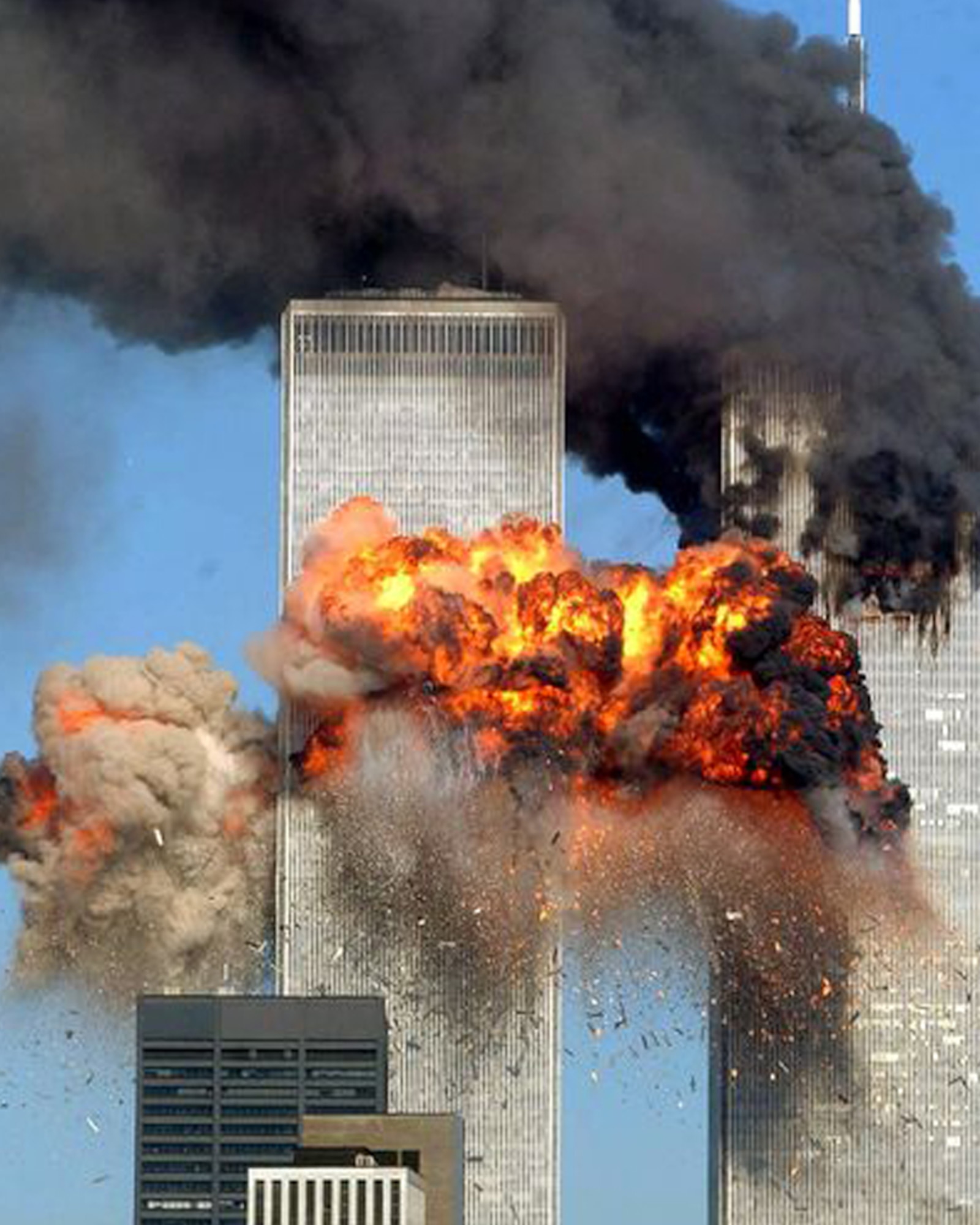
There is a particular kind of silence that falls over a high school classroom when something happens that the adults in the room cannot explain. I remember it. Most of my generation does. We were sitting at our desks on a Tuesday morning in September of 2001 when a television carried a skyline coming apart, and the teacher at the front of the room had no lesson plan for what we were watching.
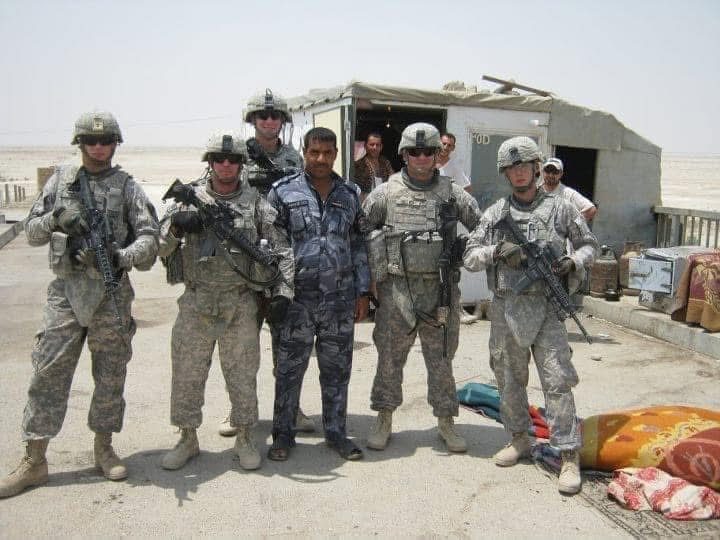
What rose out of that silence was not despair. It was closer to ignition. Something hot and unnameable took hold in a room full of teenagers — a love of country that had been an abstraction on Monday and was suddenly the most concrete thing any of us had ever felt. For a great many of us, it never cooled. It became a signature on an enlistment contract. It became a badge, a turnout coat, a paramedic’s kit carried up a stairwell that had no business being entered. It became the same flag stitched onto a hundred thousand different shoulders, and beneath every one of them the same unspoken vow: we take care of our own.
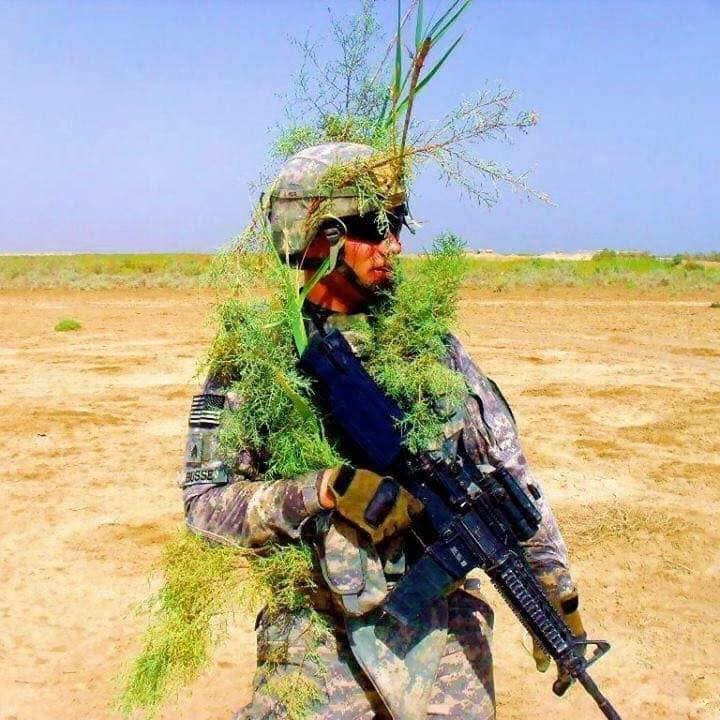
I found myself asking how the history books would remember us while I was tracing a copper wire along the shoulder of Route Irish in Baghdad — a stretch of road that had earned, by consensus and by body count, the title of most dangerous in the world. The wire ran to four improvised explosive devices, buried beneath four culverts, waiting. Twenty years and a lifetime later, standing on very different ground, I am still asking the same question.
Will they remember us as the generation that gave up some of its bravest? The ones who set the needs of a country above their own, who paid the last full measure in the name of life, liberty, and the pursuit of happiness? Because make no mistake — underneath every ragged breath drawn in that hour of terror, there stood a nation built on resolve, on resilience, on courage, and on a stubborn conviction that this is the finest place on earth and no one is taking it from us.
That morning claimed nearly three thousand lives. Among them were 343 New York City firefighters, 37 Port Authority officers, and 23 NYPD officers who climbed the stairs of buildings that were coming down around them while every instinct and every other person moved the other direction. They ran toward it. And in the months and years that followed, a generation of young Americans answered the same call — enlisting in numbers the recruiting stations had not seen in decades, pinning on badges, pulling on gear, volunteering for something considerably larger than themselves.
For a brief and genuinely beautiful stretch of time, this country was one thing. Flags went up on porches and overpasses and the back windows of pickup trucks. Strangers stood in line for hours to give blood. Grief was a shared possession. Members of Congress from both parties stood together on the Capitol steps and sang. Nobody asked anybody how they had voted. We asked each other how we could help. That is the America worth remembering, and it is the America worth teaching.
The uncomfortable arithmetic
Here is the part that should trouble us. A child born in 2001 is now old enough to have children of their own. To a classroom of teenagers this fall, September 11 is not a memory at all. It is a date in a textbook. It is a chapter that gets skimmed on the way to a final exam, sandwiched between things that feel equally distant. Every year the morning America truly stood together drifts a little further from living memory and a little closer to footnote.
That ought to concern all of us — not because remembering makes us sad, but because remembering makes us strong. A nation that forgets what once united it will eventually forget how to unite at all. Over the last decade and a half we have watched that fabric fray. We have grown fast to divide and slow to stand shoulder to shoulder. The instinct that sent us running toward one another in 2001 has, somewhere along the road, gone quiet.
We do not need to relive a tragedy in order to recover what it taught us. We need to teach it.
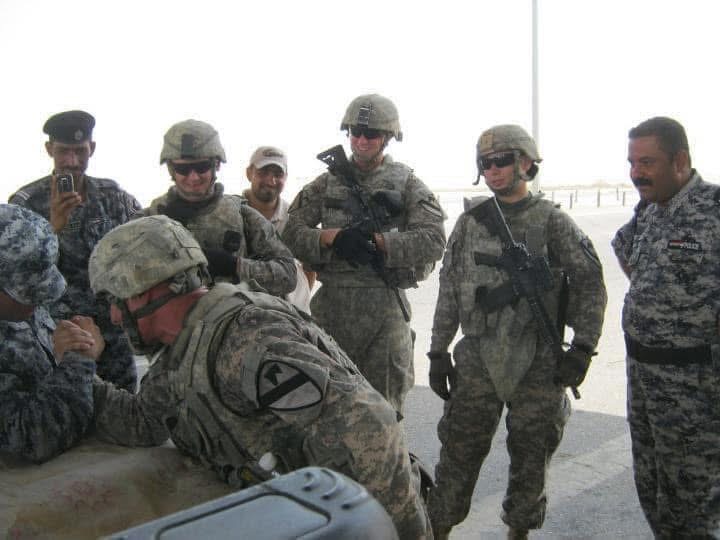
Our schools once made room for the stories that build character — the firefighter’s courage, the soldier’s sacrifice, the ordinary citizen’s duty to the person next to them. Somewhere along the way that thread got dropped. It is time to pick it back up, not as politics, but as inheritance.
Something in the air
And there are signs, faint but real, that something is stirring. Across every branch, the Department of War met its recruiting mission early this year. Several services hit their targets months before the fiscal year closed — the strongest showing in roughly fifteen years.
People will argue about why, and they will argue along the same lines they argue about everything else. Set the argument aside for a moment and look at the fact underneath it: more young Americans are choosing to serve. The Department has also made the offer itself better — pay and housing have improved, the pathways from uniform to civilian success have widened, and public-private partnerships have begun treating a military career as a whole life rather than a term of enlistment. Whichever aisle you sit on, more Americans are leaning back into a sense of pride that had been out of fashion for a while. Something is in the air, and it smells like American spirit.
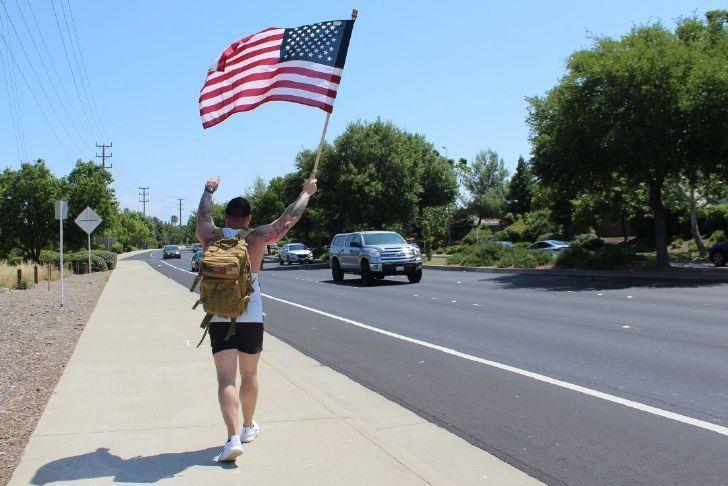
If that is real, the surest way to build on it is a generation willing to carry it forward.
What it looks like in California
If the forgetting is a national drift, California is a useful place to watch for what pushes back against it. This is the state with the largest veteran population in the country — roughly 1.5 million men and women — and for years the running story here has been one of quiet departure, of veterans priced out and moving on to places that made it easier to stay.
But the desire is not only to be remembered. It is to be seen, and served, and counted while still here. And on that front, something has been shifting.
It starts where these things usually start, well below the dome. Community organizations across the state have found their footing again after a long stretch of running on fumes. Local nonprofits, service posts, county programs, and volunteer networks have rebuilt the kind of presence that actually reaches people — not a pamphlet and a phone number, but a person who shows up. Just as importantly, more of them have widened the definition of who they serve. A veteran does not come home alone. The spouse who held a household together through three deployments, the kids who changed schools five times, the parent who learned to read a casualty report — they served too, in the way families serve. Programs built around the whole family, and around military spouses in particular, have gone from an afterthought to a design principle. That is a meaningful change in posture, and it happened in living rooms and church basements long before it happened anywhere official.
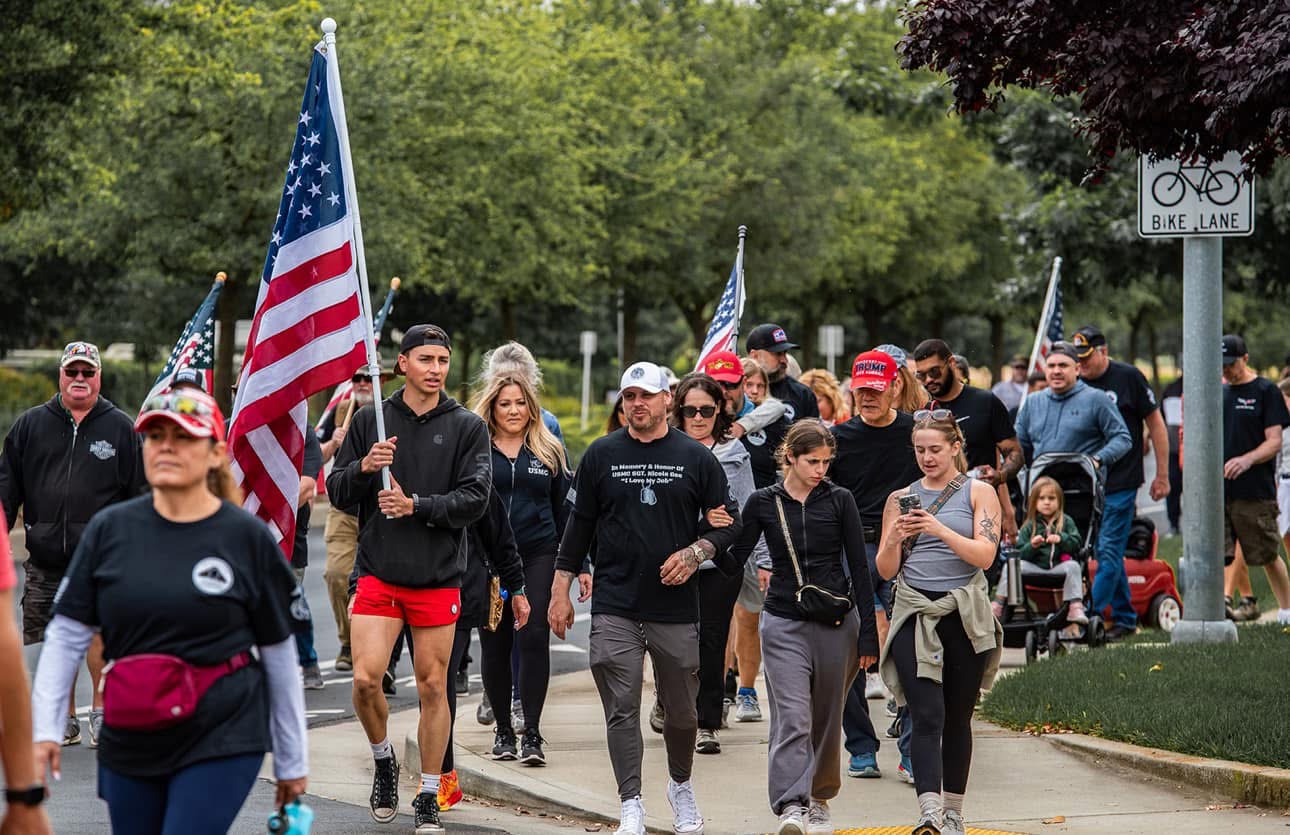
Sacramento has been slower, and it is worth being honest about why. Nearly any bill carrying a cost to the state finds a quiet end in the appropriations process, no matter how many members voted for it or how few voted against. Good ideas die without a villain. There is no dramatic floor fight, no roll call to point at. There is simply a committee, a suspense file, and silence.
Even so, this year produced things worth noting.
Senate Bill 296 made it all the way to the Governor’s desk. Authored by Senator Bob Archuleta of Pico Rivera — an Army veteran of the 82nd Airborne and chair of the Senate Military and Veterans Affairs Committee — it expands the property tax exemption available to severely disabled veteran homeowners, with the explicit aim of helping them stay in the homes they already have. California is home to roughly a quarter of the nation’s homeless veterans, more than eleven thousand people. SB 296 is not a solution to that. It is a hand on the door before it closes. It moved through both chambers without a single vote against it.
Assembly Bill 2022 rode the same legislative wave and came up just short. Authored by Assemblyman Jeff Gonzalez of Indio, a Marine Corps combat veteran with four deployments behind him, it covered nearly identical ground for veterans rated one hundred percent disabled. It cleared the Assembly 70 to nothing and passed the Senate Military and Veterans Affairs Committee unanimously before running out of runway. Not defeated. Just out of time.
Assemblyman Joe Patterson of Rocklin carried Assembly Bill 556, which would have waived campus-based fees for veterans attending California’s public colleges and universities — a modest, practical fix aimed squarely at the gap between what the GI Bill covers and what a campus actually charges a student to enroll. It cleared its policy committees without opposition and then died in February, filed away with the rest of the year’s casualties. It is a clean illustration of the problem: unanimous support and an actual signature are two very different things in this building.
Then, in March, five legislators did something that had never been done in the state’s history.
Senator Caroline Menjivar and Assemblyman Gonzalez — both Marines, one a Democrat, one a Republican — announced the formation of the California Legislative Veterans Caucus. They were joined by Senator Shannon Grove of Bakersfield, the first female veteran ever elected to the California Legislature; by Senator Archuleta; and by Senator Tom Umberg of Orange County, who is a veteran, the husband of a veteran, the father of a veteran, and the son-in-law of one. Three branches of service. Both parties. One stated purpose: to stop treating veterans as a line item and start treating them as a constituency.
The caucus made its most visible mark on the evening of July 1. Gathering legislators, service members, families, and community leaders on the West Steps to mark the nation’s 250th year, it did something the building had never done before. The California State Capitol lit its dome and facade in red, white, and blue. Sacramento had never seen it. Whatever else may be said about the state of our politics, a Capitol lit in the colors of the flag is not a small gesture, and it is not a partisan one.
Enough, or a beginning?
For some, none of this will feel like enough, and that is a fair position honestly held. Measured against 1.5 million veterans, one bill signed and one caucus of five can look like a rounding error. The criticism should keep being made, loudly, by people who care about outcomes more than ceremonies.
But direction is worth something separate from distance. What is visible in California right now is a growing, cross-aisle recognition that the 9/11 generation and the patriotism it carried are worth remembering — and that this nation and the people who fought for it are worth celebrating out loud, in public, with the lights on. That recognition did not exist in this form a year ago. It exists now, and it was built by people who disagree with each other about nearly everything else.
The real question is the second one. Will it hold? Will it gain ground going into next year and the years after it, or was this a good season that closes when the session does? Momentum in a legislature is a fragile thing. It survives on attention, and attention is the one resource nobody is required to renew.
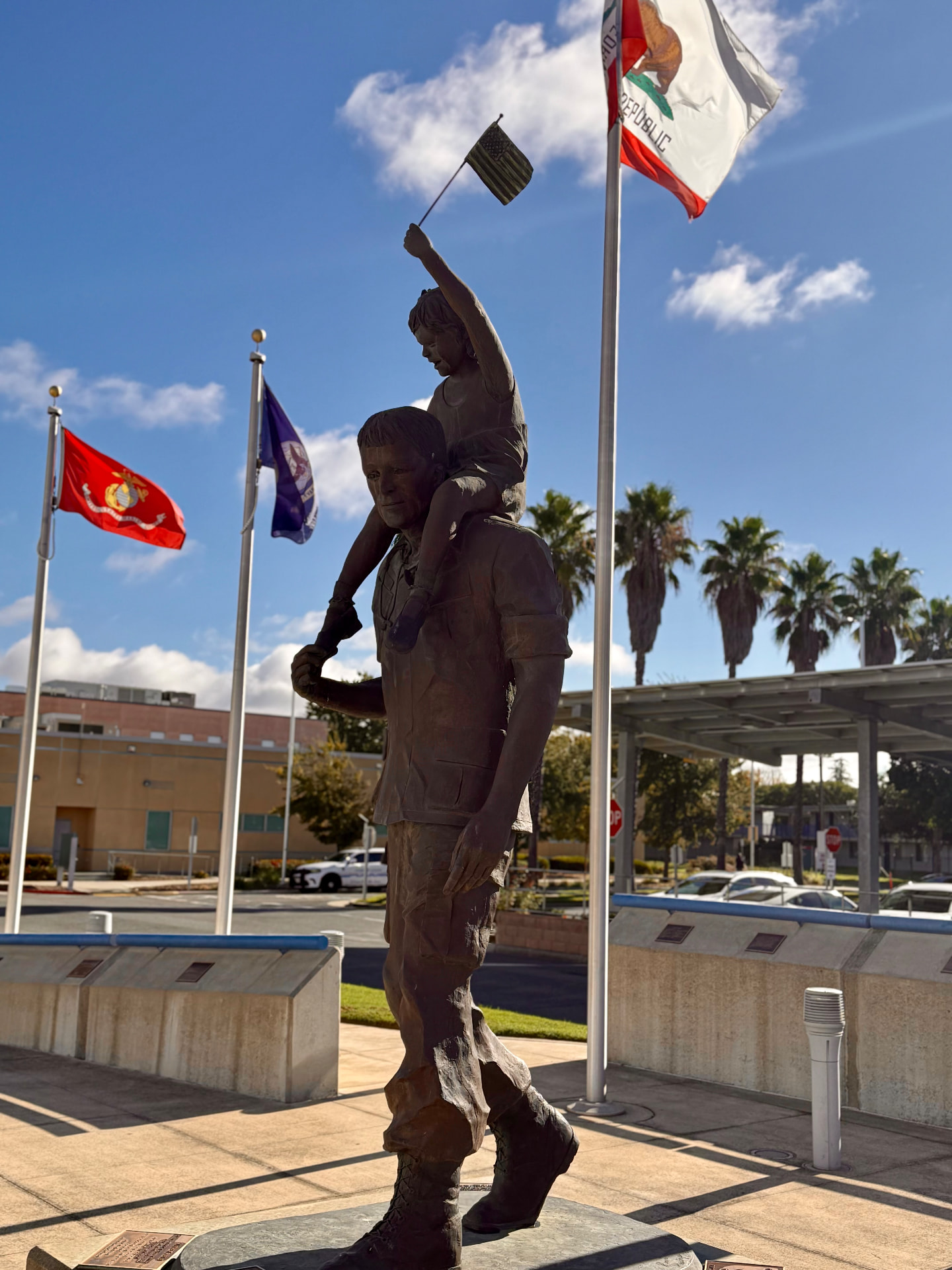
So let us raise a generation that understands what makes this country worth the trouble. That knows why the men and women who wear our uniform are the finest the world has ever put in the field. That can carry forward the quiet promise every one of us made on that September morning, whether we were in a classroom or a firehouse or a stairwell: we take care of our own.
That is how I hope the history books remember us.
And that is the generation I pray we are still capable of raising.
Were you there? Tell us your story.
Veterans of California is collecting first-person accounts from those who were already serving on September 11, 2001, and from those who enlisted because of it, for a special 9/11 release. Share your story here.